Protect Wild Colorado Where Traditions Meet Responsible Stewardship

Sign the Pledge

Hunting and fishing where our grandparents did — a humane and natural way to manage our wildlife.

Quick Stats

Explore The Benefits

of Protecting Wild Colorado

Take The Pledge

to Protect Wild Colorado

Economic Benefit

City of Telluride

Hunting & Fishing: A Major Economic Driver for All of Colorado

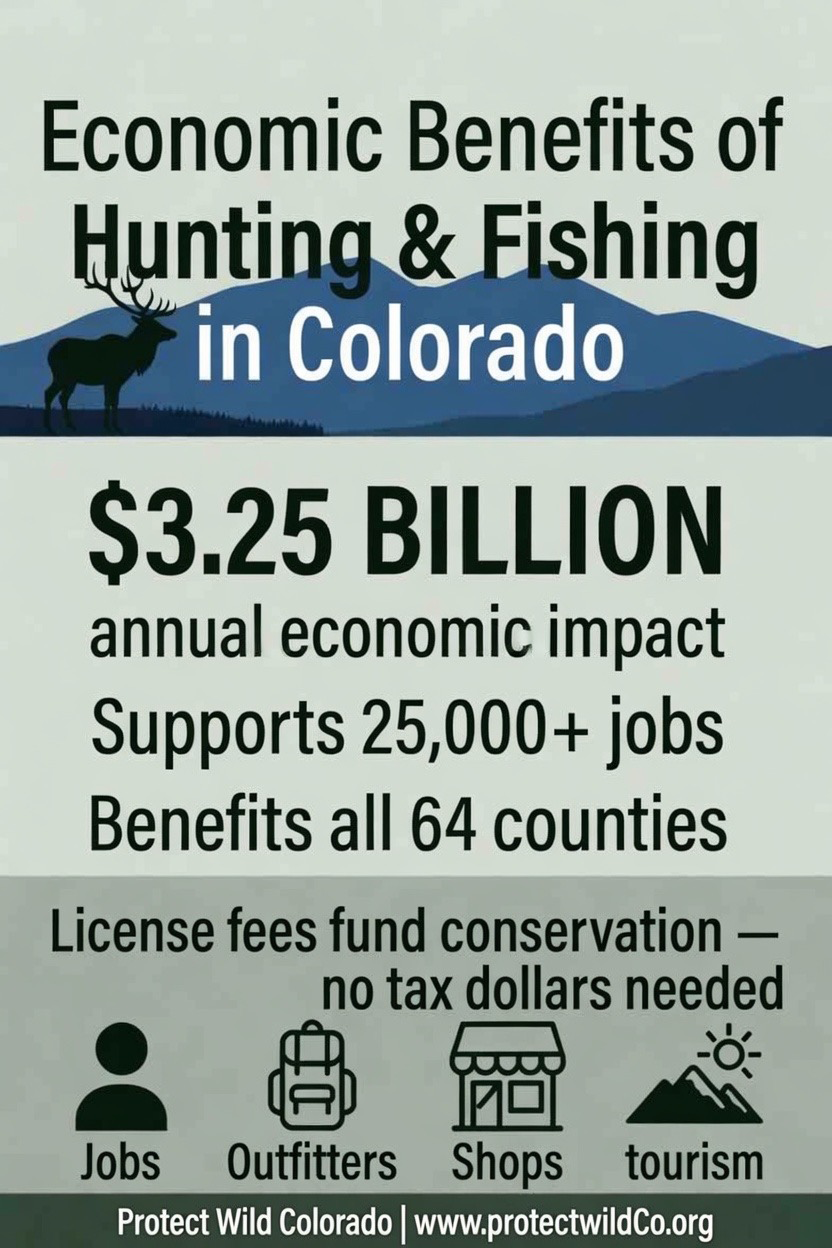
Colorado hunting and fishing generates more than $3.25 billion in annual economic activity across all 64 counties. Supports over 25,000 full-time jobs in retail, tourism, manufacturing, lodging, and guiding. License fees and excise taxes fund wildlife conservation programs — with no reliance on general tax dollars.

Economic benefit graphic

Shareable Graphic

Cultural & Heritage

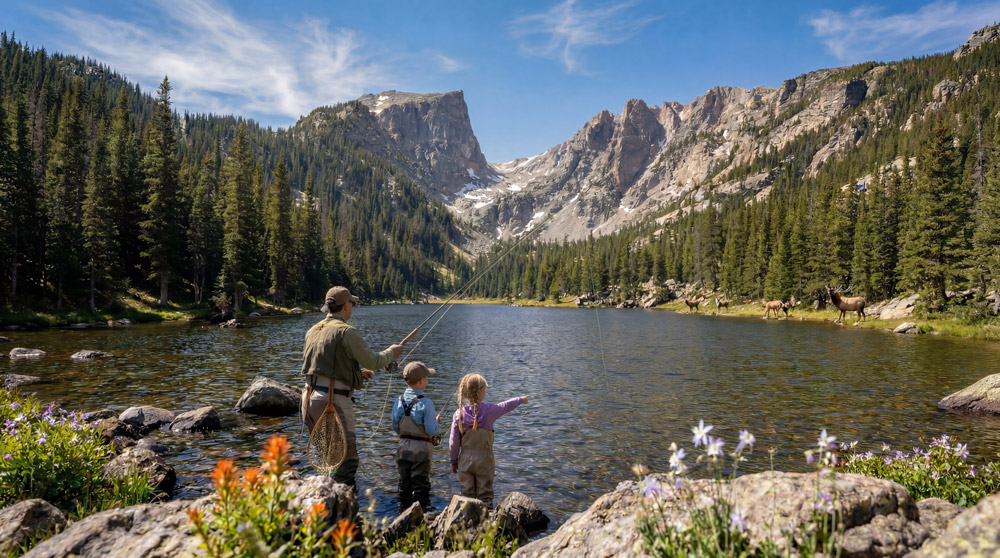
Family fishing

A Tradition Passed Down Where Our Grandparents Hunted and Fished

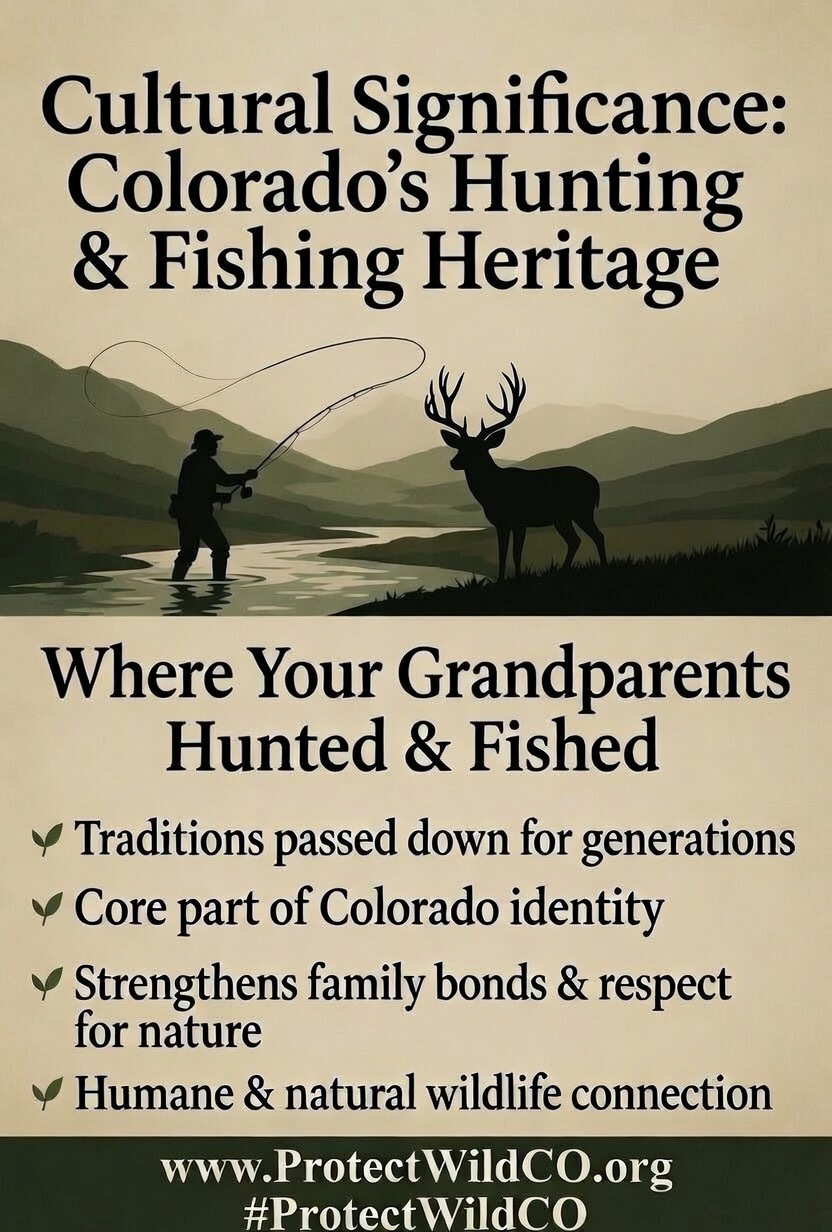
Colorado’s hunting and fishing heritage dates back to Native American stewardship and pioneer families. These activities build family bonds, teach respect for nature, and remain a core part of Colorado identity today. Stories of multi-generational trips to the same streams and mountains our grandparents knew.

Cultural & heritage graphic

Shareable Graphic

Feeding Colorado Families

Hunter

Feeding Colorado Families: Nutritious, Sustainable Wild Harvest from Hunting & Fishing

For generations, Colorado families have put healthy, locally-sourced food on the table through hunting and fishing — exactly where their grandparents did it. These traditions deliver lean, nutrient-dense protein with a low carbon footprint.

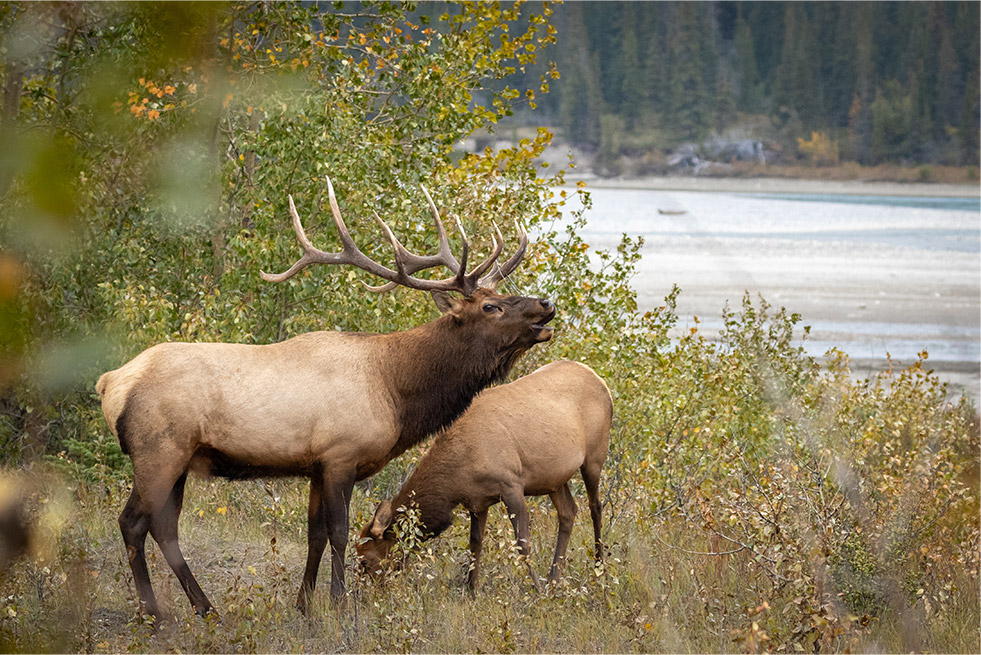
A single mature elk yields 150–300+ pounds of boneless meat — enough for hundreds of family meals. Research connected to the Wild Harvest Initiative shows Colorado hunters generate the highest number of wild-game meals per day spent hunting big game.

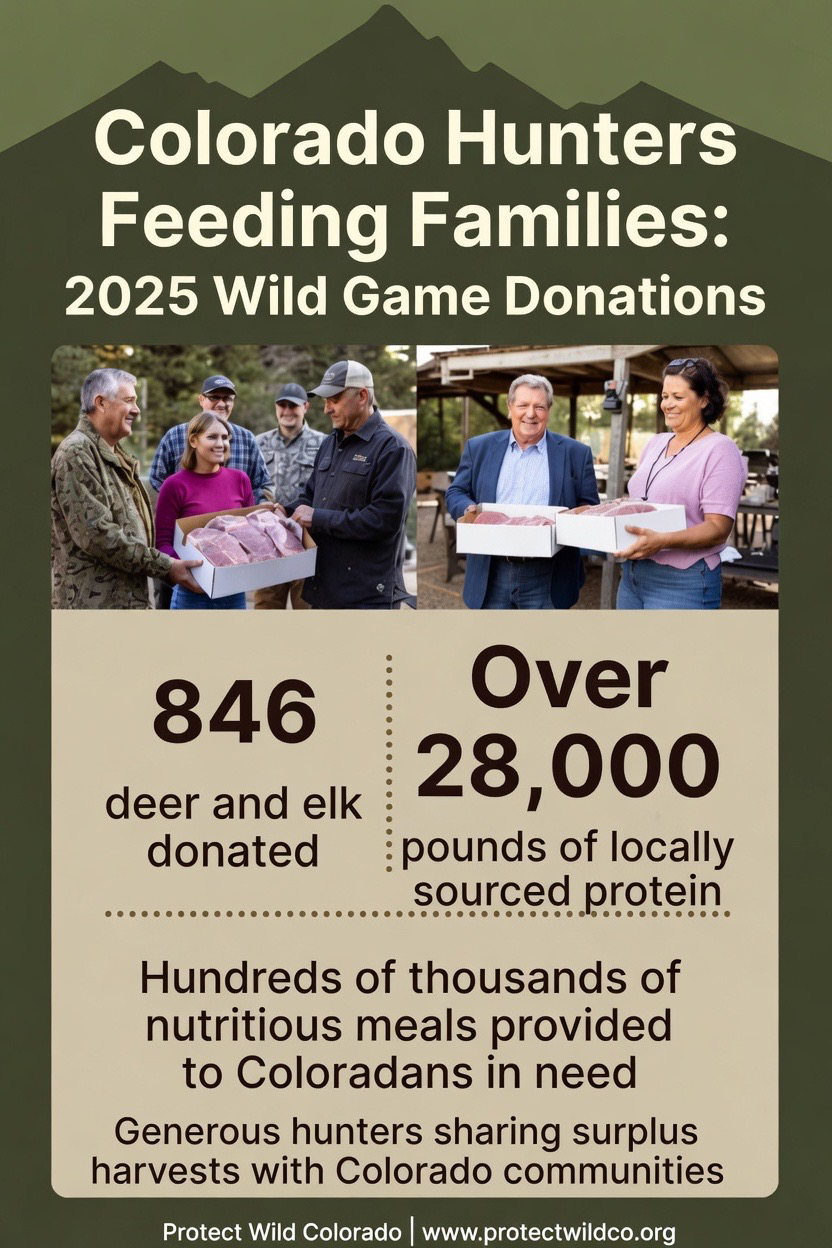
2025 Donation Highlight: In 2025, generous Colorado hunters donated 846 deer and elk through local processors and programs partnering with food banks. This provided over 28,000 pounds of locally sourced protein and hundreds of thousands of nutritious meals for hungry families across the state. Hunters continue to share surplus harvests with neighbors, food pantries, and hunger-relief programs.

Cultural & heritage graphic

Shareable Graphic

Science-Based Wildlife Management

Elk

A Humane & Natural Way to Manage Colorado’s Wildlife

Colorado Parks & Wildlife (CPW) uses data-driven tools — population surveys, harvest reporting, habitat studies — to keep herds healthy and prevent overpopulation, disease, and starvation. Regulated hunting and fishing are proven tools that help maintain balance under the North American Model of wildlife Conservation. License revenues directly support research and habitat restoration.

Challenges to Responsible Stewardship

Cultural & heritage graphic

Shareable Graphic

Understanding Threats to Science-Based Management

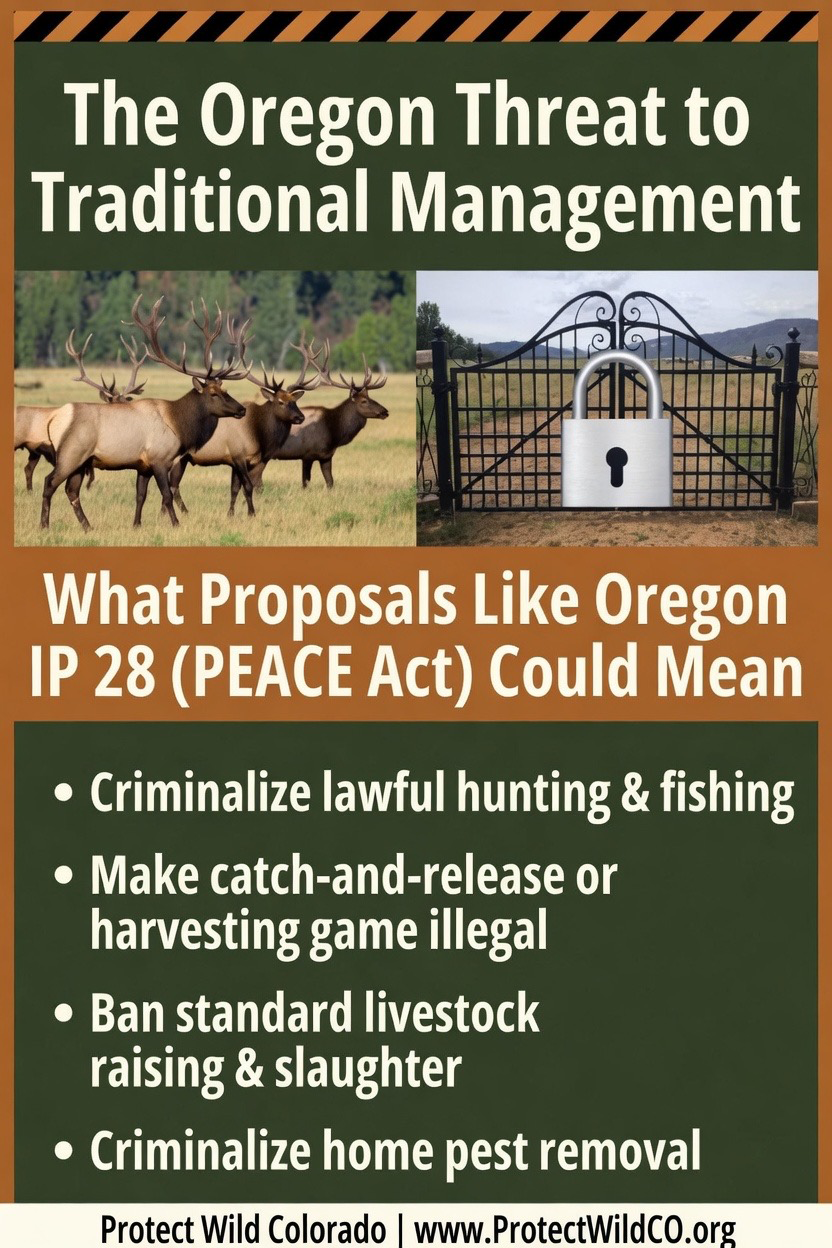
In other states, proposals have emerged that could redefine everyday wildlife and land management activities. For example, Oregon’s Initiative Petition 28 (PEACE Act) seeks to remove long-standing legal exemptions from animal cruelty laws. This would potentially criminalize lawful hunting and fishing (including catch-and-release), harvesting wild game for food, standard livestock practices, and even routine pest and vermin control from your own home.

Take the Pledge to Protect Wild Colorado

Sign Today